Community ·
Community Infrastructure for First Nations in BC and Yukon: Planning It, Funding It, Building It Right
Water systems, roads, housing servicing, and community buildings: a practical guide for Nations, band councils, and development corporations planning infrastructure projects in BC and Yukon.
Across British Columbia and Yukon, First Nations are building. New housing and the servicing that has to go under it. Water and wastewater systems that finally meet the standard the community deserves. Roads that stay passable through freshet. Health centres, band offices, gathering spaces, and the recreation facilities that keep young people home.
These projects carry weight that a commercial subdivision doesn't. They're funded through capital planning cycles that are hard-won, they're built in the community's own backyard where everyone watches, and they have to last. This is a practical guide for Nations, band councils, and development corporations getting ready to put that work out, written by a First Nations owned contractor that builds it.
What community infrastructure usually involves
Water and wastewater. Distribution mains, service connections, lift stations, lagoons and treatment site works, and the earthworks and drainage that support them. This is often the highest-priority capital work a community carries, and the least forgiving to build poorly.
Roads and access. Community roads, subdivision roads, access to new housing areas, and the ditching, culverts, and crossings that keep water off them. In many communities this also means all-season access that has to survive freshet and freeze-thaw.
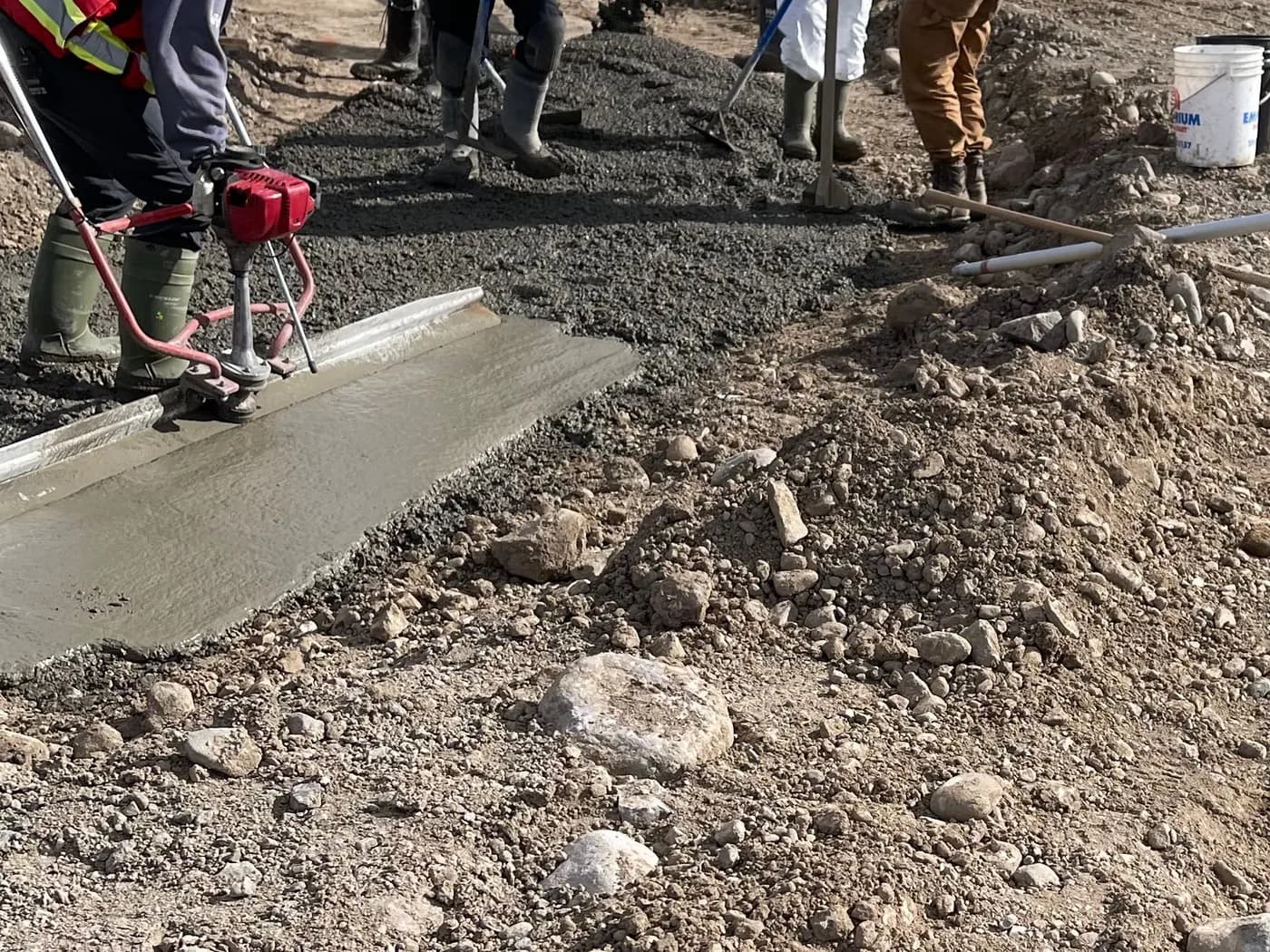
Housing servicing. Before homes go up, lots have to be cleared, graded, and serviced with water, sewer, storm, and utility conduits, plus roads and driveways. Servicing is the invisible half of every housing announcement.
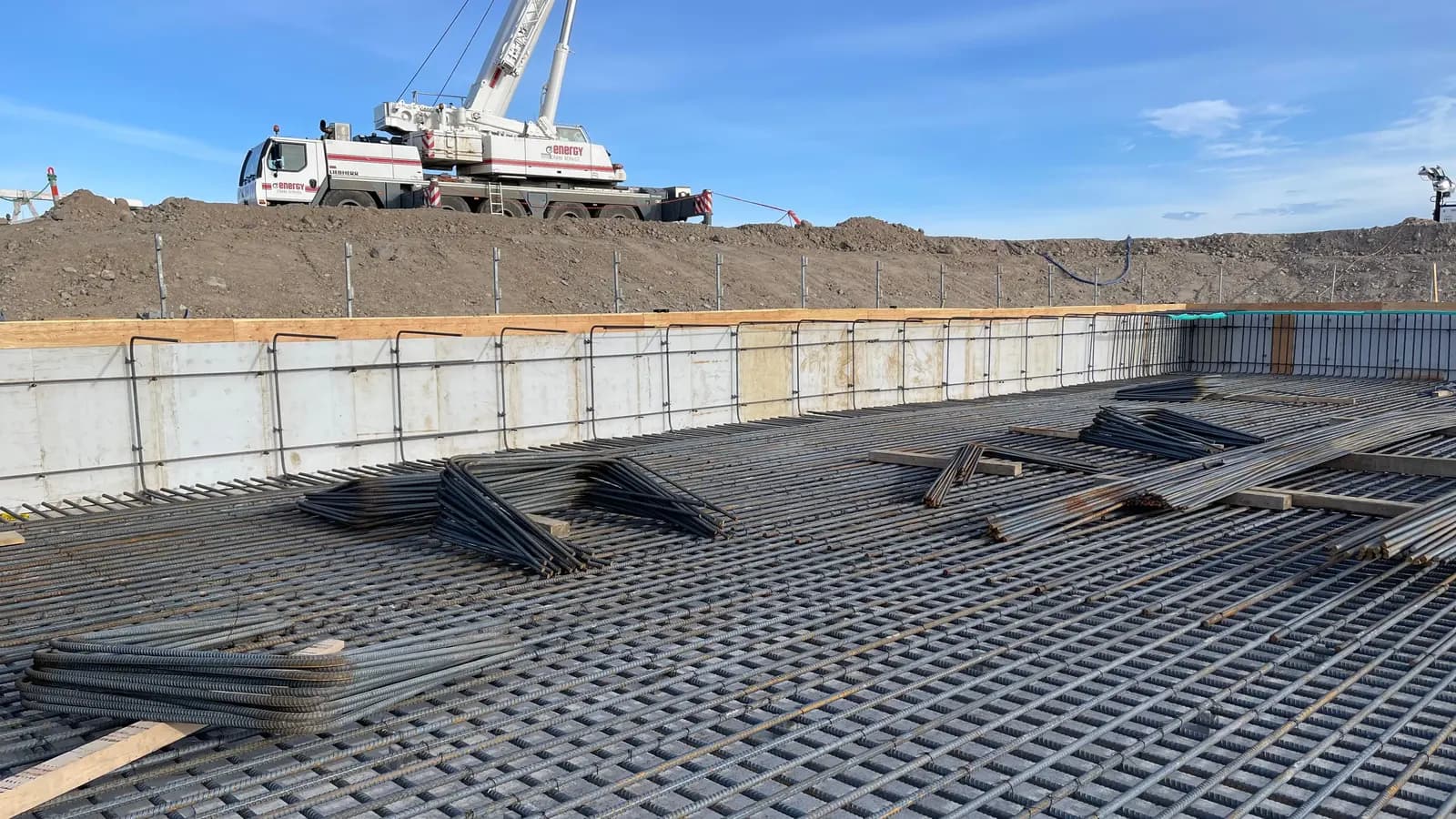
Community buildings. Site preparation, excavation, structural foundations, slabs, and the parking, walkways, and drainage around a health centre, band office, school addition, or gathering space.
Recreation and community spaces. Ball diamonds, sports fields, playgrounds, trails, and gathering areas: the projects that don't make funding headlines but change daily life in a community.
The realities that shape these projects
Funding cycles drive schedules. Much of this work is funded through federal and provincial capital programs, and approvals rarely land on the calendar you'd choose. That often compresses construction into a short window, which makes early planning and a contractor who can mobilize quickly worth far more than a slightly lower unit price.
The season is short, shorter in the North. A Yukon or northern BC community may have a genuinely narrow window for earthworks and concrete. Sequencing matters: get the underground in while you can, and don't leave a water main tie-in for October.
Remote logistics are part of the cost. Ferry schedules, forest service roads, long haul distances for aggregate and materials, and limited local supply all show up in the price. A contractor who plans for that quotes honestly; one who doesn't comes back with a change order.
You're building where people live. Water shutdowns, road closures, dust, and equipment traffic affect the community every day of the job. Communication, staging, and keeping the site clean and safe aren't nice-to-haves. Elders, kids, and everyone else are right there.
The ground varies enormously. Coastal fill, glacial till, rock at shallow depth, muskeg, high water tables, and permafrost in parts of Yukon. A geotechnical report before you finalize budgets is the cheapest insurance available on a capital project.
Why working with an Indigenous-owned contractor matters here
The benefit stays closer to home. When an Indigenous-owned company holds the contract, more of the wages, subcontracts, and profit stay within Indigenous hands and Indigenous communities instead of leaving with the crew at the end of the job.
Local hire and training are real, not a clause. The most valuable thing a community project can leave behind, beyond the infrastructure, is people with tickets, hours, and experience. That happens when the contractor is actually set up to hire and mentor locally, and when they intend to be back.
It aligns with procurement direction. Federal and provincial procurement increasingly targets Indigenous business participation, and many Nations have their own procurement preferences. Working with a verifiable Indigenous-owned contractor supports both, cleanly.
There's a shared understanding of process. Council approvals, community meetings, consultation, cultural protocols, and the reality that a project belongs to the community, not just to the funder or the engineer. That doesn't need explaining to us.
How to set the project up to succeed
Get the geotechnical work done early. Before the budget is locked, know what the ground is. More community projects go over budget from unknown subsurface conditions than from any other single cause.
Define the scope in writing, even at a concept stage. What's included, what isn't, who supplies materials, who handles permits and testing. Vagueness at tender becomes a dispute at construction.
Ask contractors about capacity, not just price. Can they actually mobilize in your window? Do they have the crews and equipment, or are they subcontracting the whole job? What else are they committed to that season?
Build in contingency. Ten to fifteen percent on civil scopes is realistic, particularly in remote areas and on water and sewer work.
Write in the outcomes you want. Local hire targets, training and apprenticeship commitments, and Indigenous subcontracting can be part of the contract, and a good contractor will welcome them rather than resist.
Plan for the handover. As-builts, testing records, warranty terms, and operations training for whoever maintains the system afterward. Infrastructure that nobody documented becomes a problem in five years.
Building with Illaheechuck
Illaheechuck Civil Construction is a First Nations owned heavy civil contractor with offices in Campbell River, Prince George, and Whitehorse, serving communities across British Columbia and Yukon. We self-perform the civil scope community projects depend on: earthworks and site preparation, water, storm and sanitary infrastructure, roads and access, concrete and structures, and recreation site works.
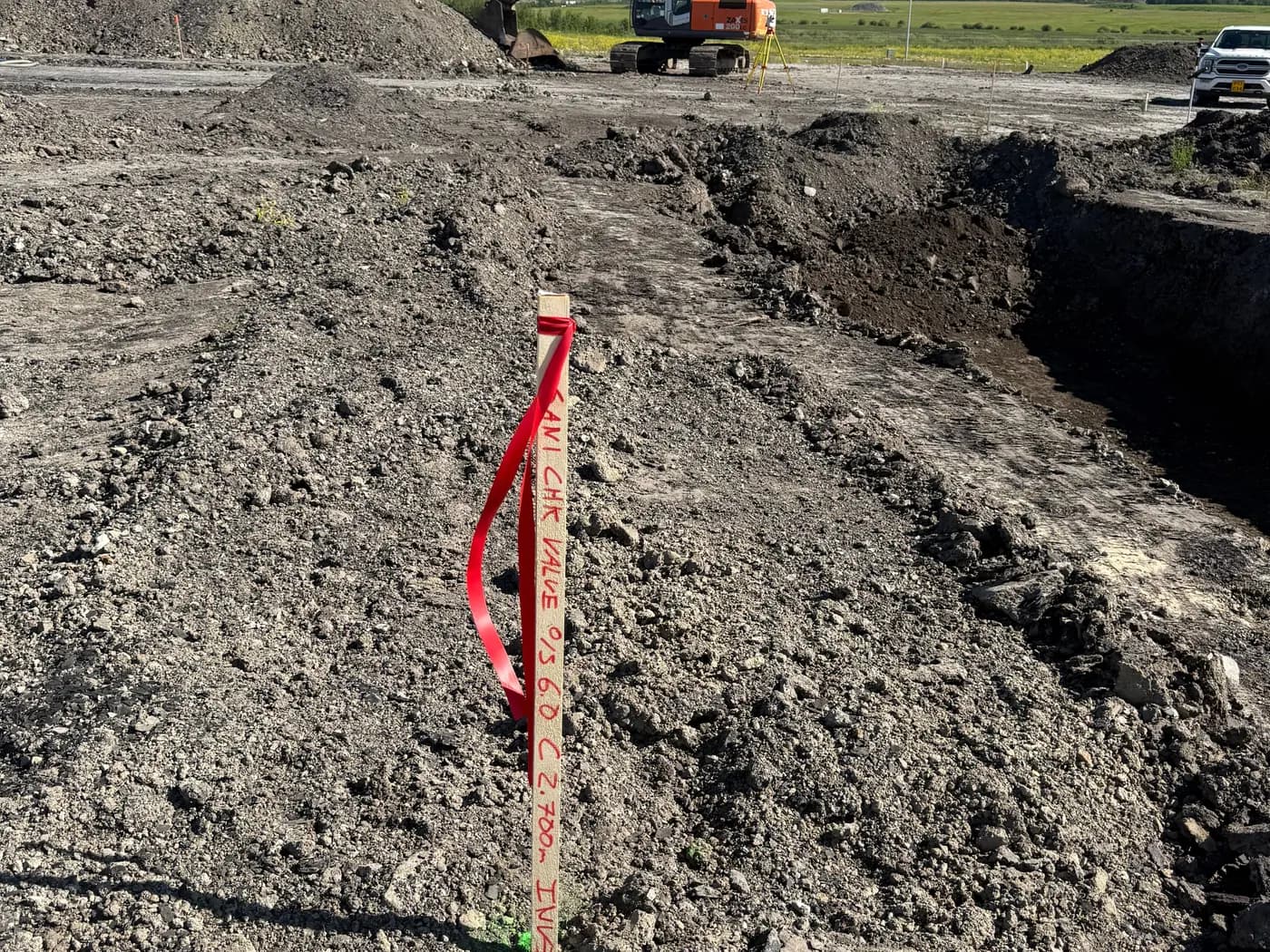
We handle layout and grade control in-house, so quantities are honest and as-builts close out clean, which matters when a funder asks what was actually built. And we're set up to hire and train locally, because the crews we build on your project are the crews that come back for the next one.
If your Nation, band council, or development corporation is planning infrastructure, at concept, at design, or ready to tender, we'd welcome the conversation early, when it's still cheap to plan well. Reach us through the chat on our home page or the contact form; you can upload drawings, a funding scope, or just a description, and our team will respond within one business day.