Guides ·
Excavation on Vancouver Island: What to Know Before You Break Ground
A practical guide to hiring an excavation company on Vancouver Island: what drives the cost, why Island ground is different, and the questions that separate a good excavating contractor from a cheap one.
Whether you're a project manager scoping a commercial site in Campbell River, a builder starting a foundation in the Comox Valley, or a homeowner clearing a lot near Nanaimo, the excavation is where your project literally starts, and where its budget is most often won or lost. Get the earthworks right and everything above ground goes smoothly. Get them wrong and you're paying for it in change orders, drainage callbacks, and cracked slabs for years.
This guide walks through what actually drives excavation cost and quality on Vancouver Island, and how to tell a capable excavating contractor from one who's about to hand you a surprise.
Why Vancouver Island ground is its own animal
Excavation on the Island isn't the same job it is on the prairies. Our ground changes fast, sometimes within a single lot. You can hit soft coastal fill, dense glacial till, hardpan, or solid rock in the span of a few metres, and each one is priced completely differently. A quote built on a guess about what's underground is a quote that's going to move.
Then there's water. The Island gets real rain, and coastal water tables sit high. Excavations fill, trenches slough, and subgrades turn to soup if drainage and dewatering aren't planned from the start. Rock adds another layer: when the machine hits bedrock, the job shifts from digging to breaking, hammering, or blasting, a different rate entirely.
Add environmentally sensitive shorelines, creeks and fish windows, ferry-dependent logistics for materials and equipment, and municipal and MOTI standards that vary community to community, and you have a job that rewards local knowledge and punishes contractors who treat the Island like anywhere else.
What actually drives the price
Excavation is rarely a flat per-hour number, and any contractor who quotes it that way before seeing the site is guessing. The real cost drivers are:
Soil and rock conditions: the single biggest variable. Digging clean native material is cheap; breaking rock or removing contaminated or unsuitable soil is not. A geotechnical report is the best money an owner can spend before excavation, because it turns guesswork into a real number.
Access and space: a tight urban lot with no room to stockpile, or a rural site down a soft driveway, changes the equipment and the sequencing. Haul distance for import and export of material matters too; trucking is a line item that quietly adds up.
Water and drainage: dewatering, shoring for deep or unstable trenches, and proper drainage all cost money up front and save far more down the line.
Disposal and import: where does the spoil go, and what's coming back in? Tipping fees, structural fill, and granular base are real costs tied to today's material prices.
Grade tolerance: a rough clearing job and a laser-graded building pad ready for concrete are different scopes. Knowing which you actually need keeps you from overpaying or under-building.
Questions that separate the pros from the cheap quote
The lowest number on the page is not the cheapest way to build. When you're comparing excavating contractors on the Island, ask:
"What are you assuming about the ground, and what happens if it's different?" A professional will tell you their assumptions and how change is handled. A gambler will just give you a low number and hope.
"How do you handle water and drainage on this site?" If the answer is vague, walk. Water is the number one cause of excavation problems on the coast.
"Are you set up for grade control?" Layout and grade verification are what make a pad the pad that's on the drawings. Contractors who self-perform their own survey and machine control produce less rework and tighter quantities.
"Show me your WorkSafeBC standing and insurance." Excavation is genuinely dangerous work. Trench collapses and underground utility strikes are real. A contractor who can't produce a clearance letter and proof of insurance same-day is a contractor who exposes you to their liability.
"Have you built like this, here?" Local, recent, relevant experience beats a lower price from someone learning your ground on your dime.
How Illaheechuck approaches Island excavation
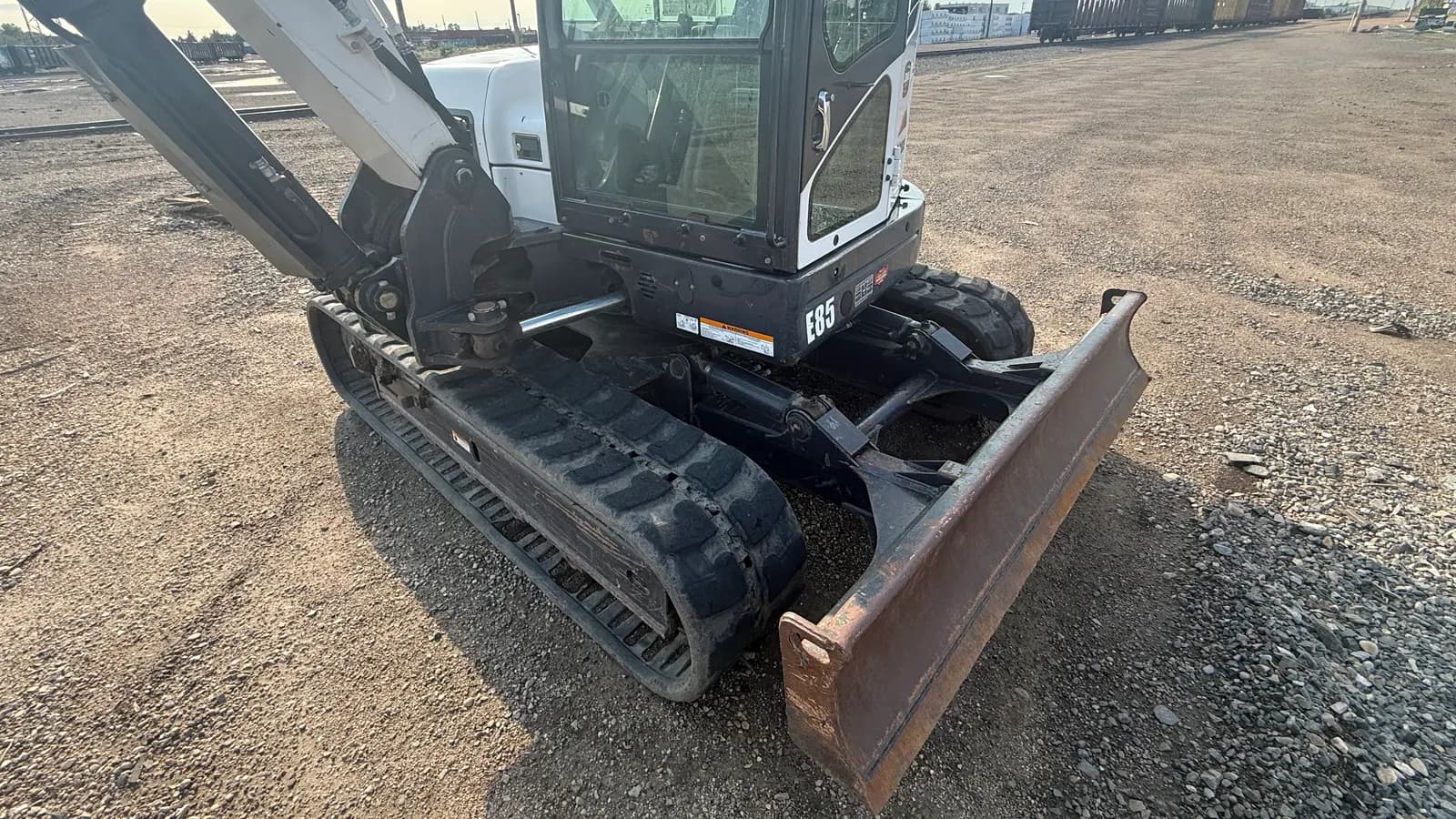
Illaheechuck Civil Construction is a First Nations owned heavy civil contractor serving Vancouver Island, Northern BC, and Yukon, with our roots on the Island and our head office in Campbell River. We self-perform excavation and earthworks with our own crews and equipment, from residential site prep to full commercial site development.
Because grade control and layout are handled in-house, we build from the survey model down: machine-guided cuts, verified as we go, so the pad you get is the pad on the drawings. We plan for Island realities (water, rock, access, and sensitive sites) before the machine rolls, not after it's stuck.
If you're planning a project anywhere on Vancouver Island and want an excavation partner who prices honestly and builds it right, send us the details. Use the chat on our home page or the contact form. You can upload your drawings or site plan directly, and our estimating team will get back to you within one business day.